01
A building's vulnerability is not obvious at a glance
The way location hazard and building characteristics form an earthquake-focused risk profile is not always easy to see.
 RISK INTELLIGENCE
LOCATION- AND BUILDING-BASED PHYSICAL-RISK ANALYTICS
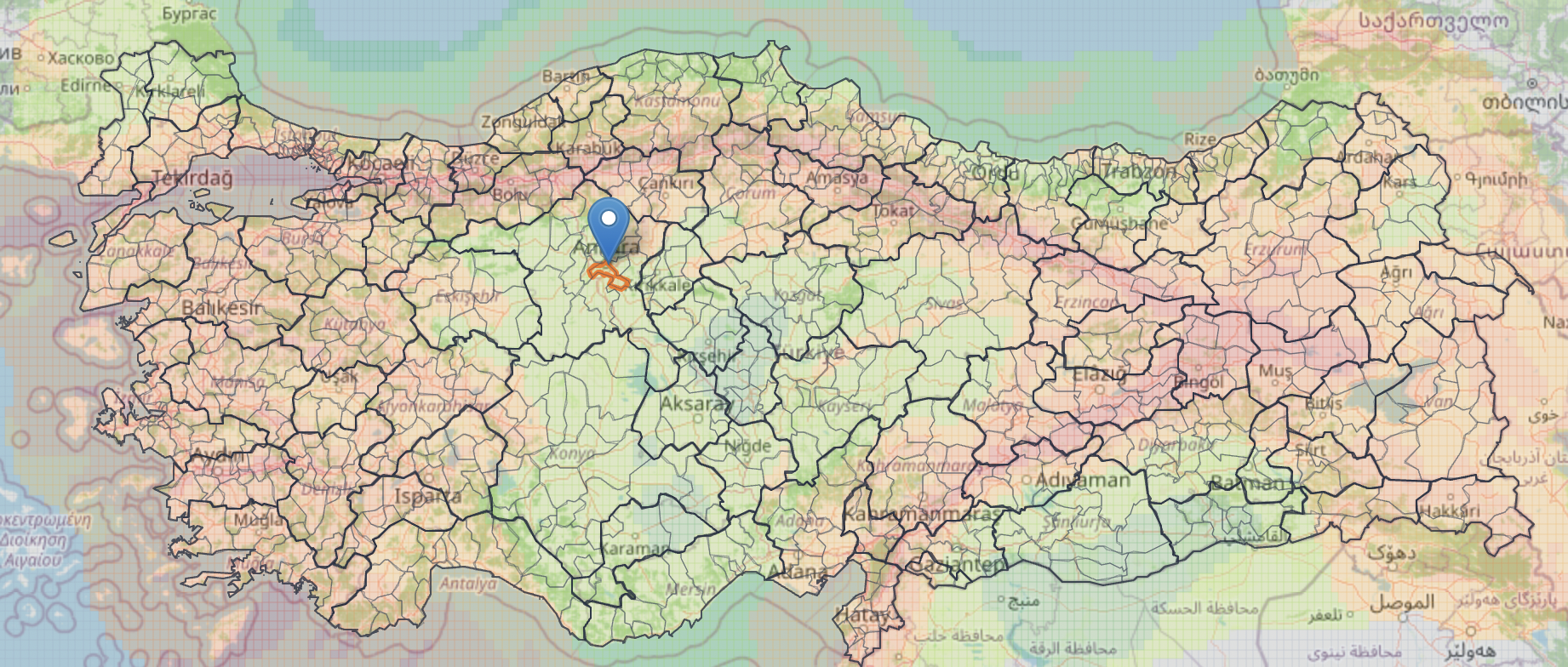
Explore natural hazards at no cost, create an earthquake-focused physical-risk profile for a building, or compare risk distribution across multiple locations.
Location hazard exploration is free. Building-level outputs are preliminary decision-support information.
Turning physical risk into decisions
Natural-hazard data alone does not explain physical risk. Location, building characteristics and environmental context need to be considered together.
01
The way location hazard and building characteristics form an earthquake-focused risk profile is not always easy to see.
02
Buildings and locations cannot be compared consistently without a shared set of indicators.
03
It is not always clear where risk is concentrated or which locations should be considered first.
How it works
PerilX combines location, natural-hazard context and building information. Individual-building outputs are earthquake-focused; portfolio analytics supports comparison and prioritisation across locations.
01
Select a single address on the map or evaluate multiple asset locations through a common data structure.
02
Use building type, construction period, height and declared conditions to interpret location hazard in context.
03
Use the preliminary indicators to decide where a detailed review, document check or engineering work may be prioritised.
Use cases
Bring location and building-level physical-risk context into portfolio reviews and client conversations.
Review the natural-hazard context and an earthquake-focused physical-risk profile before field work.
Compare branches, facilities, warehouses, stores and other locations with consistent indicators.
Support pre-screening and risk-awareness workflows across individual assets and portfolios.
Sources and documentation
Review the methodology, data sources, representative outputs and product scope before using a result in your workflow.
Learn how PerilX frames hazard context, structural inputs, vulnerability and uncertainty.
Read documentation →Review the institutions, datasets, scope and limitations behind each hazard layer.
Read documentation →See how individual screening and portfolio indicators should be read in practice.
Read documentation →Understand PerilX's purpose, decision-support scope and development context.
Read documentation →