01
Bir binanın hasar görebilirlik durumu bir bakışta anlaşılmaz
Konum tehlikesi ile yapı özelliklerinin birlikte nasıl deprem odaklı bir risk profili oluşturduğu kolayca görülemez.
 RISK INTELLIGENCE
KONUM VE YAPI BAZLI FİZİKSEL RİSK ANALİTİĞİ
Doğal tehlikeleri ücretsiz keşfedin, bir yapının deprem odaklı fiziksel risk profilini oluşturun veya çoklu konumlarda risk dağılımını karşılaştırarak önceliklerinizi belirleyin.
Ne yapmak istiyorsunuz?
Deprem, heyelan, su baskını ve zemin göstergelerini görün.
Konum ve yapı bilgileriyle deprem odaklı yapı bazlı fiziksel risk profilinizi oluşturun.
Çoklu konumlarda risk dağılımını ve öncelikli varlıkları inceleyin.
Tehlike sorgusu ücretsizdir. Yapı bazlı risk profilleri ₺750’den başlar.
Paketleri İncele →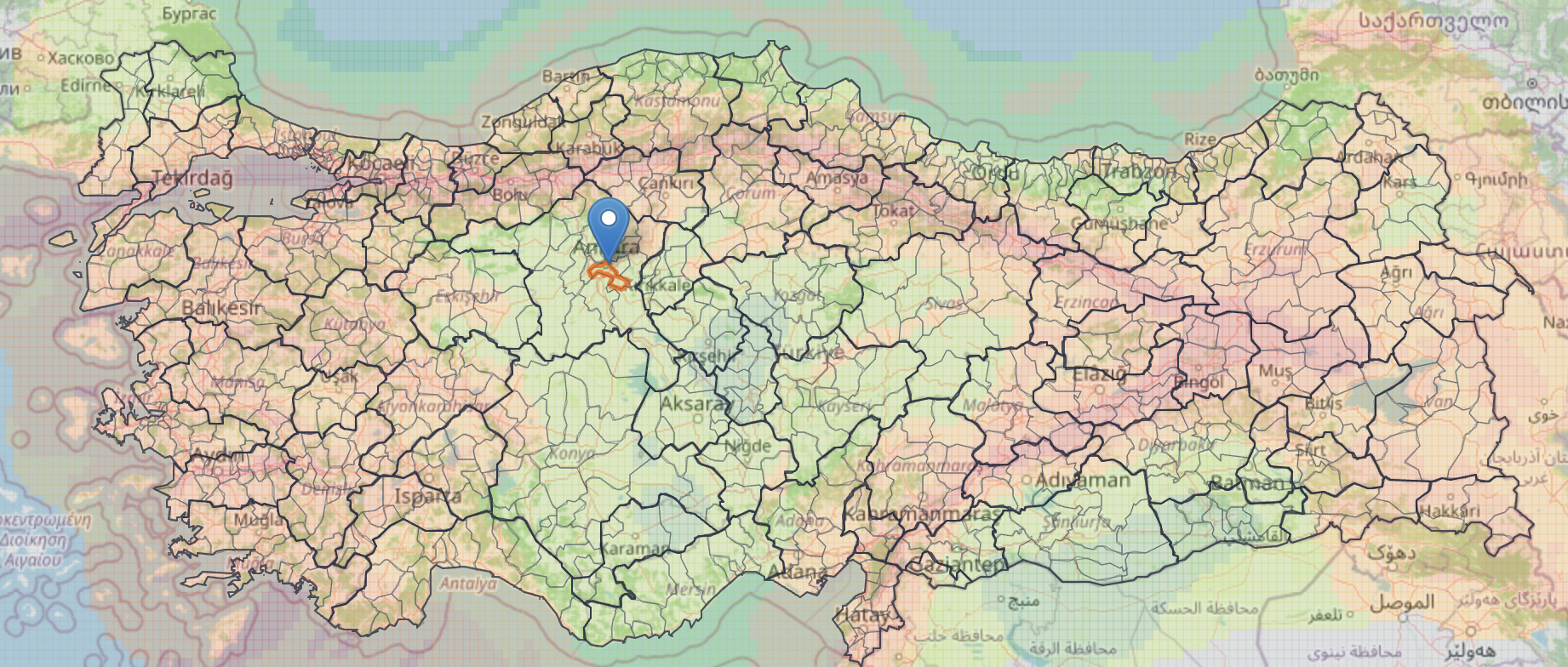
Doğal Tehlike Özeti
Deprem
72/100
Heyelan
38/100
Su Baskını
24/100
Profil Kapsamı
Yapı bazlı profil: Deprem odaklı
Doğal tehlike: Çoklu konumsal bağlam
Fiziksel Riski Karara Dönüştürmek
Deprem başta olmak üzere doğal tehlike verileri, riski anlamada tek başına yeterli değildir. Hangi risklerin öne çıktığını ve hangi varlıklara öncelik verilmesi gerektiğini anlamak için konum, yapı özellikleri ve çevresel koşullar birlikte değerlendirilmelidir.
01
Konum tehlikesi ile yapı özelliklerinin birlikte nasıl deprem odaklı bir risk profili oluşturduğu kolayca görülemez.
02
Farklı yapı ve konumlar tutarlı göstergeler kullanılmadan sağlıklı biçimde karşılaştırılamaz.
03
Riskin nerede yoğunlaştığı ve hangi varlıkların önce ele alınması gerektiği kolayca belirlenemez.
Nasıl Çalışır
PerilX; konum, doğal tehlike bağlamı ve yapı verilerini birlikte değerlendirir. Sonuçları tek bir yapı için deprem odaklı Fiziksel Risk Profili, çoklu konumlar için Portföy Risk Analitiği olarak sunar.
Tek bir adresi harita üzerinden seçin veya çoklu varlıkların konum bilgilerini ortak veri yapısında değerlendirin.
Tekil kullanımda doğal tehlike göstergelerini ücretsiz inceleyebilirsiniz.
Yapı tipi, yapım dönemi, kat sayısı, kullanım ve çevresel koşullar gibi bilgilerle konum tehlikelerini varlık bağlamında değerlendirin.
Yapı bazlı fiziksel risk profili bu sürümde deprem etkilenebilirliği için açıklanabilir gösterge üretir.
Doğal tehlike özeti çoklu konumsal bağlamı korur; yapı bazlı profil deprem odaklıdır.
Tek bir yapı için
Bir yapının deprem açısından fiziksel risk profilini, sonucu etkileyen başlıca faktörleri ve önerilen sonraki adımları görün.
Çoklu konumlar için
Riskin portföyde nerede yoğunlaştığını görün, varlıkları ortak göstergelerle karşılaştırın ve öncelikleri belirleyin.
TEKİL VARLIKTAN TÜM PORTFÖYE
Tek bir yapıda deprem odaklı fiziksel risk profilini ve sonucu etkileyen faktörleri inceleyin. Çoklu konumlarda ise risk dağılımını görün, varlıkları karşılaştırın ve öncelikleri belirleyin.
Bu bölüm temsili örnek veri ile oluşturulmuştur.
Tekil Analiz
Yapı bilgisi ve deprem talebi birlikte okunur.
Temsili Önizleme
Risk Özeti
Deprem
41/100
Orta
Profil
Yapı profili
Düşük katlı konut
Yapı tipi
Betonarme çerçeve
Kat sayısı
4 kat
Yapım dönemi
2000 sonrası
Baskın sinyal
Deprem
Karar çıktısı
Öncelikli inceleme
Portföy Risk Analitiği
CANLI DEMO · ÖRNEK VERİVarlıkları ortak fiziksel risk göstergeleriyle karşılaştırın; riskin nerede yoğunlaştığını görün ve öncelikli konumları belirleyin.
Bu görünüm temsili portföy verileriyle oluşturulmuştur.
Olası Deprem Hasar ve Kayıp Durumu
Portföyün yıllık ortalama kaybı ve olası hasar dağılımı
Toplam Varlık Sayısı
24
Ortalama Yıllık Kayıp
₺55,7M
Ortalama Yıllık Kayıp Oranı
11,0%
Öncelikli Varlık Sayısı
8
Öncelikli Konumlar
Merkezi öncelik sıralamasına göre ilk üç varlık
Kullanım Alanları
PerilX; bireysel karar süreçlerinden profesyonel değerlendirmelere ve çoklu varlık portföylerine kadar farklı kullanım ölçeklerini destekler.
Profesyonel ve Kurumsal Kullanım
Tekil değerlendirmelerden çoklu varlık ve portföy analizlerine kadar kurumsal karar süreçlerini destekleyin.
Gayrimenkullerde konum ve yapı bazlı fiziksel risk görünürlüğü sağlayın; portföy inceleme ve müşteri bilgilendirme süreçlerini destekleyin.
Saha öncesinde doğal tehlike bağlamını ve deprem odaklı yapı bazlı fiziksel risk profilini inceleyerek değerlendirme sürecini destekleyin.
Şube, tesis, depo, mağaza ve diğer varlık konumlarını ortak göstergelerle karşılaştırın; öncelikli noktaları belirleyin.
Varlıkları ortak fiziksel risk göstergeleriyle karşılaştırın; ön değerlendirme, portföy taraması ve risk farkındalığı süreçlerini destekleyin.
Bireysel Kullanım
Bir gayrimenkul hakkında karar vermeden önce konumun doğal tehlike göstergelerini inceleyin ve yapı bilgileriyle deprem odaklı Fiziksel Risk Profili oluşturun.
Konum tehlike sorgusu ücretsizdir.
Sık Sorulan Sorular
Bu yanıtlar, tekil yapı değerlendirmesi, portföy analitiği ve doğal tehlike göstergelerinin nasıl yorumlanması gerektiğini özetler.
Konum, zemin ve beyan edilen yapı özelliklerini birlikte değerlendirerek deprem odaklı göreli fiziksel risk profili üretir.
Hayır. PerilX karar destek amaçlı ön değerlendirme sunar; yerinde mühendislik incelemesi, deprem performans analizi veya resmî rapor yerine geçmez.
Deprem, su baskını, heyelan ve zemin göstergeleri konumsal tehlike özeti olarak sunulur.
Mevcut yapı bazlı değerlendirme deprem odaklıdır. Su baskını ve heyelan bu sürümde konumsal tehlike göstergeleri olarak kullanılır.
Çoklu gayrimenkul, şube, tesis veya varlık konumlarını ortak göstergelerle karşılaştırmak isteyen profesyonel ve kurumsal kullanıcılar için uygundur.
Hayır. Düşük sonuç, yalnızca kullanılan konum ve yapı girdilerine göre daha düşük göreli etkilenebilirlik gösterir; kesin uygunluk sonucu değildir.
Fiziksel Riski Anlayın
Konum tehlikelerini ücretsiz keşfedin ve deprem odaklı yapı bazlı Fiziksel Risk Profili oluşturun; çoklu konumlarda ise risk dağılımını karşılaştırarak önceliklerinizi belirleyin.
Tek Bir Yapı İçin
Bir konumun deprem, heyelan, su baskını ve zemin göstergelerini ücretsiz inceleyin. Yapı bilgilerini ekleyerek deprem odaklı tekil Fiziksel Risk Profili oluşturun.
Çoklu Konumlar İçin
Şube, tesis, depo, mağaza ve diğer varlıklarınızda risk dağılımını görün; konumları karşılaştırın ve öncelikli varlıkları belirleyin.
PerilX çıktıları karar destek ve ön değerlendirme amacı taşır; resmî ekspertiz, mühendislik incelemesi, sigorta fiyatlaması veya yasal rapor yerine geçmez.